Top 10 Molex Cable Assemblies Companies in 2026
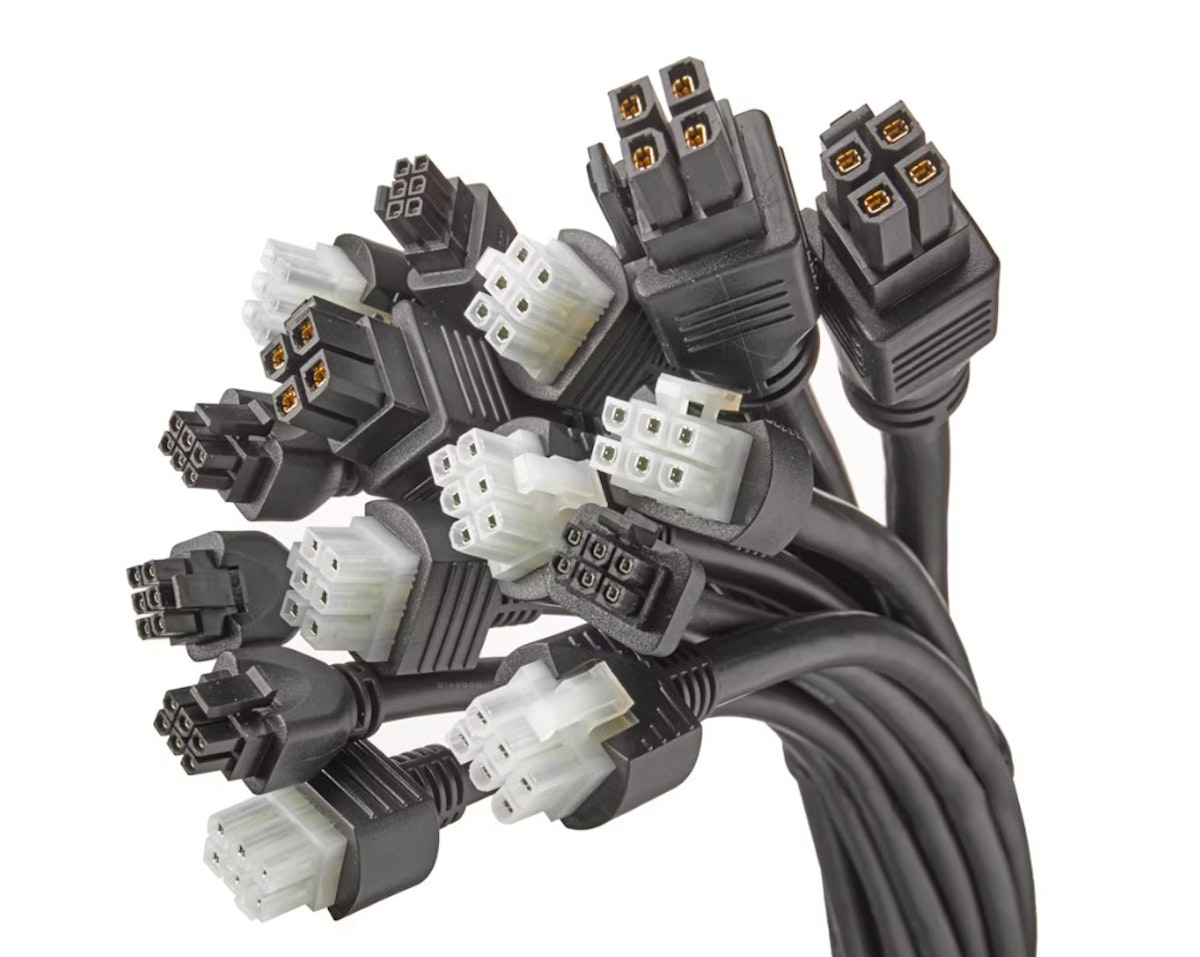
Molex connectors have become a default specification across a wide range of industries, and for good reason. The combination of reliable mechanical design, broad product availability, and well-documented performance characteristics makes Molex connector systems a practical choice for engineers working across consumer electronics, industrial automation, medical devices, telecommunications, and automotive applications. But specifying a Molex connector is only half the equation. The quality of the cable assembly built around that connector determines whether the finished product performs as intended in the field. Engineering teams and procurement professionals who have researched this space through Molex Cable Assemblies resources understand that assembly quality, termination precision, and supplier technical depth vary considerably across the market. The ten companies on this list have demonstrated consistent engineering quality, genuine application expertise, and reliable performance across demanding Molex cable assembly programs in 2026.
Key Takeaways
Molex connector systems are widely specified across consumer electronics, industrial, medical, automotive, and telecommunications applications due to their reliability and broad product range.
Assembly quality and termination precision are as important as connector selection in determining the real-world performance of a Molex cable assembly.
Correct crimp tooling, documented pull-force testing, and proper connector housing seating are the three most critical quality control points in Molex cable assembly production.
Custom Molex cable assembly development timelines typically range from one to six weeks depending on connector complexity and order volume.
Supplier technical depth in Molex connector families and tooling is a meaningful differentiator that affects both quality and lead time.
Early supplier involvement in the design phase helps optimize wire gauge selection, connector family choice, and routing geometry before tooling is committed.
Top 10 Molex Cable Assemblies Companies
1. Cloom Tech
Business: Cloom Tech
Spokesperson: Ivy Zhao
Position: Spokesperson
Phone: +1 863 434 8447
Email: sales@cloomtech.com
Location: 9251 NW 112th Ave, Medley, FL 33178, USA
Website: https://cloomtech.com/
Google Maps Link: https://maps.app.goo.gl/nNTAqvxGVkNsQ4eW8
Cloom Tech has built a strong reputation as a specialist in custom cable assembly manufacturing, with deep experience across the full range of Molex connector families. Based in Shenzhen, they work with OEM and ODM clients across consumer electronics, industrial automation, medical devices, automotive, and telecommunications applications. Their Molex cable assembly capabilities cover everything from simple two-wire harnesses with standard Molex Mini-Fit Jr. connectors through to complex multi-branch assemblies using Molex Micro-Fit, SL, KK, and Nano-Fit connector systems.
What sets Cloom Tech apart in the Molex cable assembly space is the combination of connector family expertise and manufacturing discipline. Their team maintains the correct Molex-specified crimp tooling for each connector family, which is a detail that matters significantly for termination quality and pull-force performance. Clients working on designs that require specific Molex connector families get technical consultation on wire gauge compatibility, contact selection, and housing assembly that goes well beyond what most assembly houses offer.
Their quality systems include documented processes for crimp height verification, pull-force testing, continuity testing, and connector seating inspection. For product teams and procurement professionals sourcing Molex cable assembly solutions, Cloom Tech offers the technical depth and manufacturing capability to support both prototype development and volume production.
2. Molex LLC (Direct)
Molex itself offers cable assembly services through its manufacturing operations, providing assemblies built with full access to their connector tooling and engineering resources. For programs where connector family compatibility and direct manufacturer support are priorities, working directly with Molex provides the highest level of connector expertise and access to the latest product developments. Their global manufacturing footprint supports volume programs across multiple regions.
3. Amphenol Cables on Demand
Amphenol's cable assembly division brings the engineering heritage of one of the world's largest connector manufacturers to the custom cable assembly market. Their capabilities span a wide range of connector families including Molex systems, and their quality management infrastructure reflects decades of operating in demanding regulated markets. For enterprise procurement teams managing complex programs across multiple connector types, Amphenol's scale and distribution network are genuine advantages.
4. TE Connectivity
TE Connectivity is a global leader in connector and cable assembly manufacturing with deep engineering capabilities across industrial, automotive, medical, and telecommunications markets. Their cable assembly operations handle a wide range of connector families including Molex systems, and their quality management processes reflect the demands of the regulated industries they serve. A strong choice for programs requiring broad connector family coverage and consistent quality across high-volume production.
5. Belden
Belden is a well-established name in signal transmission and cable assembly manufacturing, with particular strength in industrial automation and broadcast applications. Their cable assembly capabilities include Molex connector families commonly used in industrial and data communication applications. For programs where cable performance and signal integrity are as important as connector quality, Belden's materials expertise and assembly capabilities make them a practical option.
6. Cinch Connectivity Solutions
Cinch Connectivity Solutions has a long history in precision cable assembly manufacturing for military, aerospace, industrial, and commercial applications. Their assembly capabilities cover a broad range of connector families including Molex systems, and their quality management processes reflect the demands of regulated and high-reliability markets. For programs requiring MIL-spec or aerospace-grade assembly quality, Cinch brings relevant experience and certification depth.
7. Würth Elektronik
Würth Elektronik is a German electronic components manufacturer with strong capabilities in cable assembly and connector solutions for industrial and automotive applications. Their product range includes assemblies built around Molex connector families commonly used in European industrial and automotive programs. For European product teams that need a locally supported assembly partner with strong engineering credentials, Würth Elektronik is a name worth including in the evaluation process.
8. Harting Technology Group
Harting is a well-established German connector and cable assembly manufacturer with a strong focus on industrial connectivity. Their assembly capabilities cover a range of connector families including Molex systems used in factory automation and industrial IoT applications. For industrial programs that need a Molex cable assembly partner with deep industrial application knowledge and European manufacturing presence, Harting is a practical option worth evaluating.
9. Samtec
Samtec is a precision connector and cable assembly manufacturer with particular strength in high-speed and high-density interconnect applications. Their cable assembly capabilities include Molex connector families used in data communication, computing, and high-frequency applications. For programs where signal integrity and high-speed performance are primary requirements, Samtec's engineering depth in precision interconnect is a genuine differentiator.
10. GCT (Global Connector Technology)
GCT is a connector and cable assembly specialist with a broad product range covering industrial, consumer, and telecommunications applications. Their assembly capabilities include Molex connector families across a range of standard configurations. For programs that need a flexible assembly partner with broad connector family coverage and accessible minimum order quantities, GCT is a practical option for both prototype and volume production.
Molex Cable Assemblies: Essential Information
A Molex cable assembly is a finished electrical interconnect built around one or more Molex connector systems. Molex produces an extensive range of connector families covering different pitch sizes, current ratings, contact counts, and application environments. Common families used in cable assembly applications include Mini-Fit Jr., Micro-Fit 3.0, SL Series, KK Series, Nano-Fit, and Micro-Lock Plus, each optimized for specific application requirements.
The quality of a Molex cable assembly depends on three core elements: the correct connector and contact selection for the application, the use of Molex-specified crimp tooling for each contact type, and proper housing assembly and locking verification. Using incorrect tooling or out-of-specification crimp settings is one of the most common sources of assembly failures, even when the correct connector components are specified.
Wire gauge selection must be compatible with the contact rating for the chosen Molex connector family. Each contact is rated for a specific wire gauge range, and using wire outside that range compromises both crimp quality and current-carrying performance. Quality assembly houses maintain tooling and process documentation for each Molex connector family they work with, which is a meaningful indicator of their capability level.
Why Are Molex Connector Systems So Widely Specified?
Molex has built its market position through a combination of broad product range, consistent quality, and extensive application support resources. Engineers specifying a connector system for a new design can typically find a Molex family that meets their requirements for pitch, current rating, contact count, and environmental protection without needing to develop a custom solution.
The availability of Molex connectors through major distribution channels globally means that supply chain risk is lower than with more specialized connector systems. That availability also makes it easier for contract manufacturers and assembly houses to maintain the necessary tooling and inventory to support production programs efficiently.
For product teams working across multiple markets or geographies, the consistency of Molex connector performance and the availability of technical support resources are practical advantages that compound over the life of a product program.
How Does a Molex Cable Assembly Get Built?
The assembly process starts with wire cutting and stripping to the specified length and strip dimensions for the chosen Molex contact type. Contacts are crimped onto the stripped wire ends using Molex-specified tooling set to the correct crimp height for the wire gauge and contact combination. Crimp quality is verified through pull-force testing against the minimum values specified by Molex for each contact type.
Crimped contacts are inserted into the correct positions in the connector housing until the locking lance engages. Housing assembly is verified visually and by pull testing to confirm that contacts are fully seated and locked. For assemblies with multiple connectors, continuity testing verifies that each wire is connected to the correct position at both ends before the assembly is released for shipment.
For sealed connector families, additional steps include installing wire seals before crimping and verifying seal seating after contact insertion. Assemblies destined for harsh environments may also receive additional protective elements such as heat shrink, conduit, or overmolding depending on the application requirements.
What Should Product Teams Look for When Evaluating Molex Cable Assembly Companies?
Tooling is the first thing to verify. A company that builds Molex cable assemblies without the correct Molex-specified crimp tooling for each connector family is cutting corners that will show up in field failures. Ask specifically which Molex connector families they have tooling for and request documentation of their crimp process controls.
Pull-force testing documentation is the next indicator of quality. Reputable assembly companies test every production lot against Molex-specified minimum pull-force values and maintain records of those results. Companies that cannot provide pull-force test data on request are not operating at the quality level that demanding applications require.
Cloom Tech maintains Molex-specified tooling across a broad range of connector families and provides documented pull-force test results as part of their standard quality documentation package.
How Long Does Custom Molex Cable Assembly Development Take?
Simple Molex cable assemblies using standard connector families and off-the-shelf wire can typically move from design approval to production samples in one to two weeks. More complex assemblies involving multiple connector families, custom wire specifications, or specialized protective elements typically require three to six weeks for full development and first article inspection.
For programs with tight development timelines, sharing a complete bill of materials and connector family specifications with your assembly partner early in the design process reduces back-and-forth and accelerates sample production. Cloom Tech can provide prototype samples for straightforward Molex cable assembly designs within one to two weeks of receiving a complete specification.
What Are the Most Common Failures in Molex Cable Assemblies?
Incorrect crimp tooling or out-of-specification crimp settings are the most common root cause of Molex cable assembly failures. A crimp that is too shallow does not provide adequate mechanical grip on the conductor, leading to increased resistance and eventual open circuit. A crimp that is too deep damages conductor strands and creates a similar failure mode over time. Both failure modes are preventable with correct tooling and documented process controls.
Incomplete contact insertion is another common failure mode. A contact that is not fully seated in the housing locking position can back out under vibration or mating force, causing intermittent or open circuit faults that are difficult to diagnose in the field. Visual inspection and pull testing of inserted contacts are the standard defenses against this failure mode.
Wire gauge mismatches, where the wire used is outside the specified range for the chosen contact, create both crimp quality issues and current-carrying problems. Verifying wire gauge compatibility with the chosen Molex contact type before production begins prevents this failure mode entirely.
Trends Shaping the Molex Cable Assembly Market in 2026
Miniaturization is the dominant trend driving Molex connector family development and cable assembly demand. As electronic devices continue to shrink across consumer, medical, and industrial applications, demand for smaller pitch connector families like Nano-Fit and Micro-Lock Plus is growing. Assembly companies that have invested in the precision tooling and process controls required for these smaller connector families are well positioned for the growth ahead.
Industrial IoT and smart manufacturing are generating significant demand for Molex cable assemblies in factory automation and sensor applications. As manufacturing facilities add more connected sensors, actuators, and control systems, the need for reliable, application-specific cable assemblies built around proven connector families is increasing. That demand is pushing toward assembly partners with genuine industrial application knowledge rather than generalist production capability.
FAQ
Which Molex connector families are most commonly used in cable assembly applications?
Mini-Fit Jr. and Micro-Fit 3.0 are the most widely used families for power applications. KK and SL Series are common in signal applications. Nano-Fit and Micro-Lock Plus are growing in miniaturized consumer and medical applications. The right family depends on current rating, pitch requirements, and environmental protection needs.
Can Molex cable assemblies be built with custom wire specifications?
Yes. Wire gauge, insulation material, color coding, and jacket material can all be specified based on application requirements. Wire gauge must be compatible with the contact rating for the chosen Molex connector family.
What is the minimum order quantity for custom Molex cable assemblies?
Minimum order quantities vary by assembly company and complexity. Cloom Tech works with clients from prototype quantities through volume production, making them accessible for development programs as well as established production runs.
Are Molex cable assemblies suitable for harsh environment applications?
Yes, when the correct connector family and protective elements are specified. Molex offers sealed connector families for wet and dusty environments, and assemblies can be built with additional protective elements such as conduit, heat shrink, and overmolding for demanding applications.
How do I verify that a Molex cable assembly company is using correct tooling?
Ask specifically which Molex connector families they have tooling for, request documentation of their crimp process controls, and ask for pull-force test data from recent production lots. A company that cannot provide this documentation is not operating at the quality level required for demanding applications.
What information do I need to provide to get a quote for a custom Molex cable assembly?
Provide the Molex connector family and part numbers for each connector, wire gauge and insulation specifications, overall assembly length, contact count and pin assignment, and any special requirements for protective elements or environmental sealing. A complete specification reduces quote turnaround time and minimizes the risk of misunderstandings during production.